
Long range
For outdoor points, campuses, and warehouses
Wi-Fi HaLow Long-Range Coverage
Built on TXW8301 / TXW8301S Sub-GHz connectivity, this solution creates a more stable coverage path for wall-penetration bridges, remote nodes, and warehouse backhaul.
For outdoor points, campuses, and warehouses
Sub-GHz links are better for walls and floors
Reduces rewiring and cross-zone construction
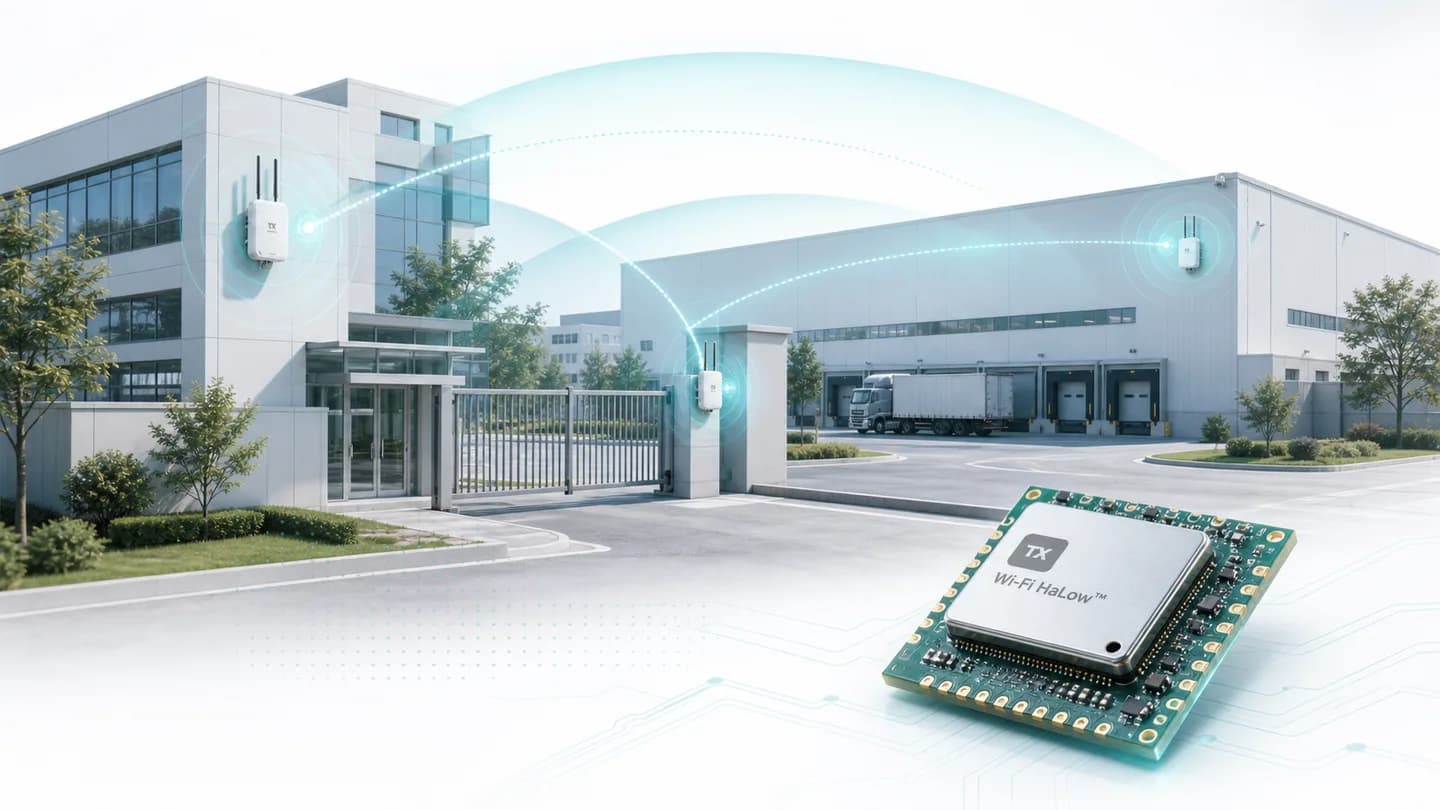
The real challenge is not one successful link. It is many remote points, complex walls and floors, constrained power, and maintainability. The page follows field deployment order: link margin first, node placement second, long-term uptime last.
Solution Path
The main node connects to the existing network, the HaLow link crosses weak-coverage areas, and the remote node connects cameras, gateways, or sensors.
Connects to router, NVR, or local server.
Carries wall, floor, or outdoor remote transmission.
Connects cameras, sensors, gateways, or Ethernet terminals.
Deployment planning
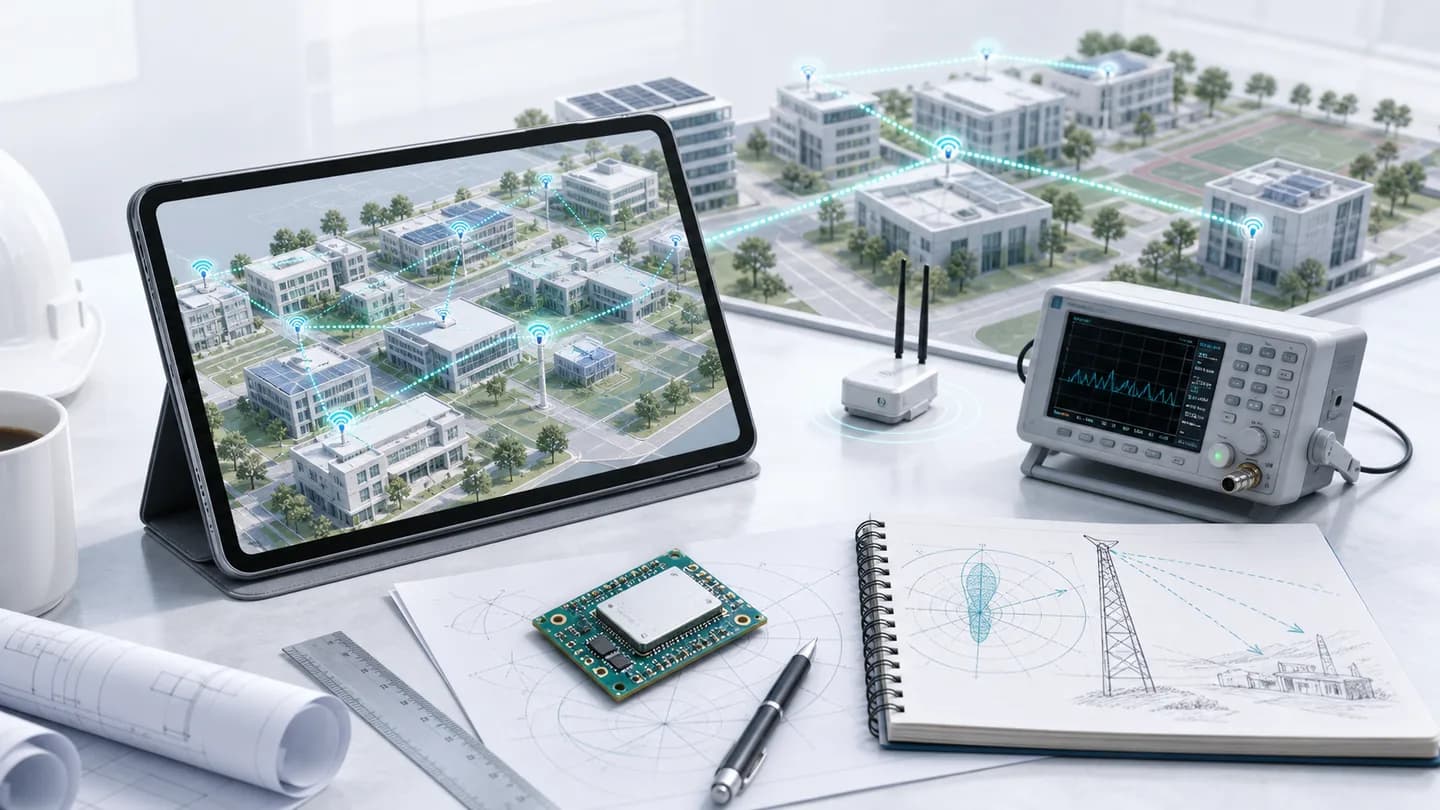
Long-range coverage cannot be judged by nominal distance alone. Main nodes, obstacles, antenna direction, and remote loads must be planned together to decide where bridges, extenders, or remote Ethernet access are needed.
Field validation
Warehouses, campuses, and outdoor points are affected by metal structures, vehicles, doors, windows, and weather. Before rollout, test throughput, loss, reconnection, and 24-hour uptime at the farthest and worst-obstructed points.
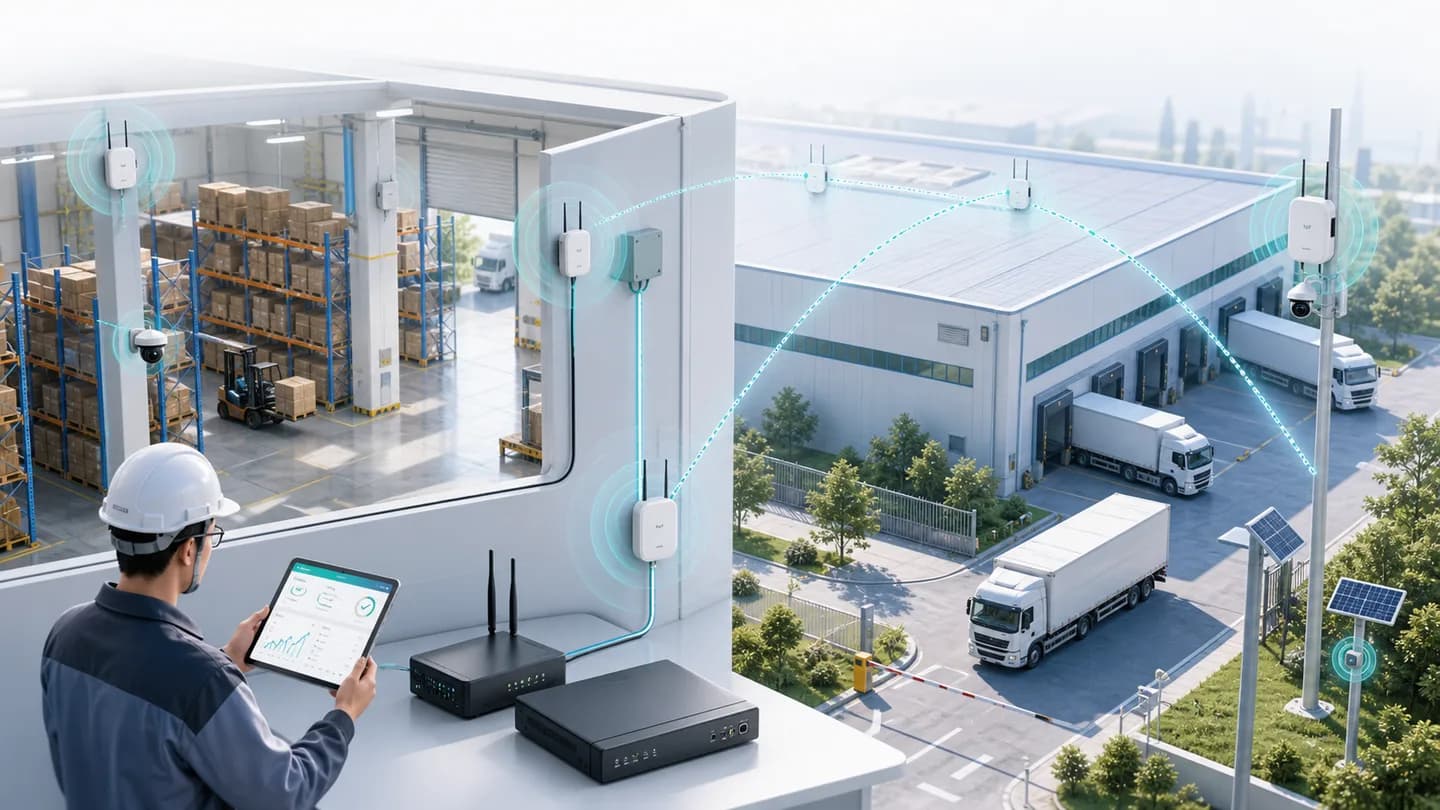
Each form connects the scenario to hardware priorities such as connectivity, power, imaging, and maintenance.
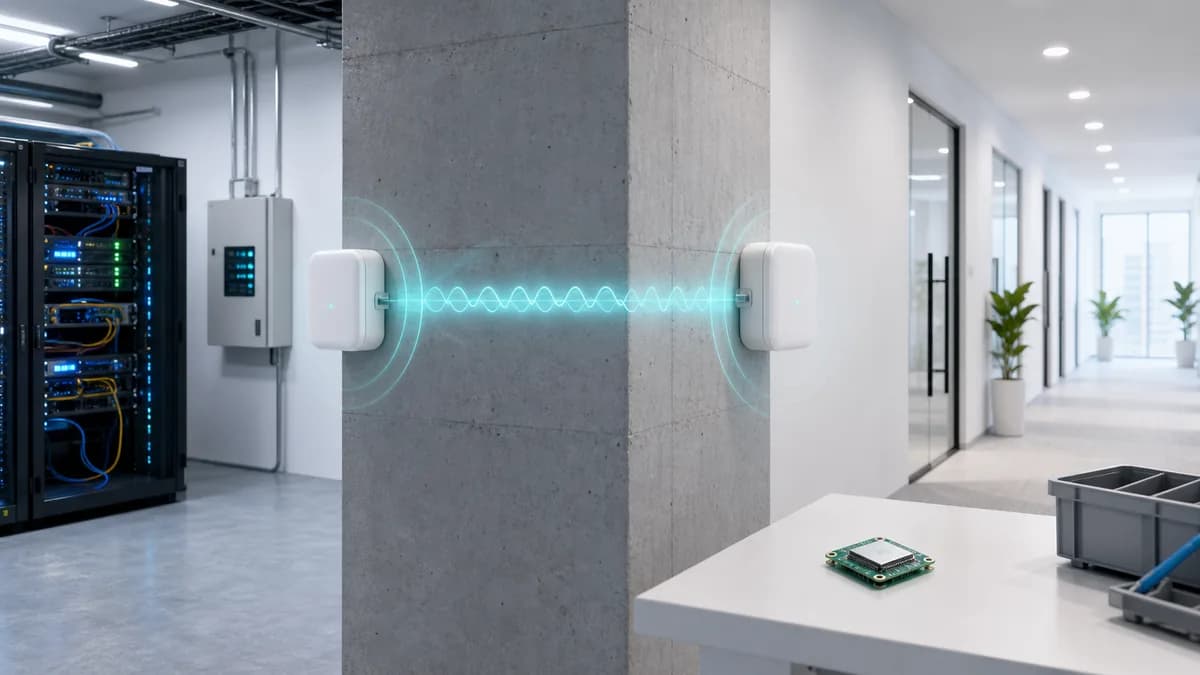
Connects indoor, outdoor, or basement spaces with less rewiring.
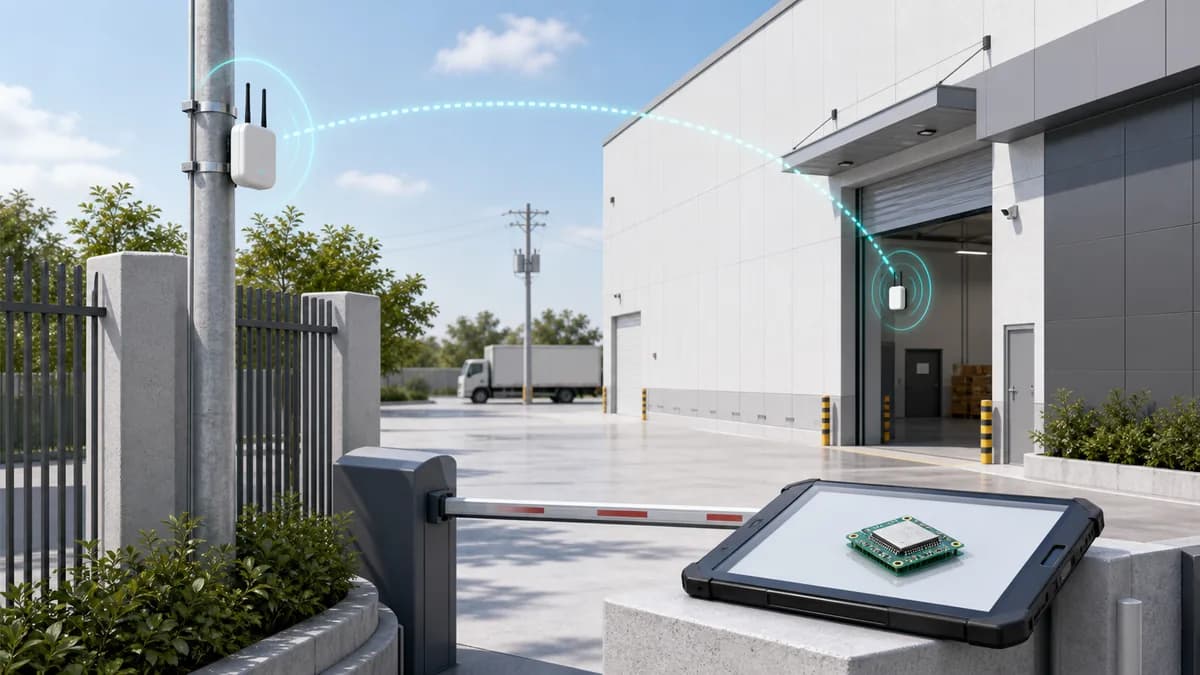
Covers gates, fences, parking lots, and warehouse corners.
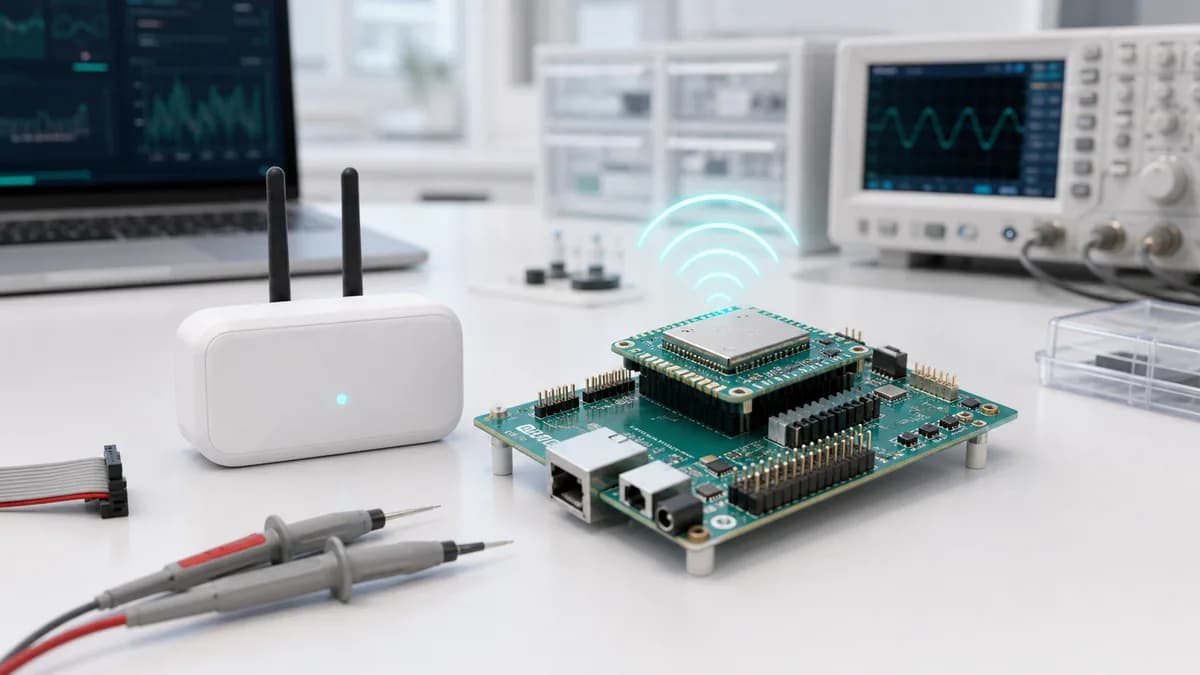
Choose chip or module paths by hardware readiness.
Product Fit
Select the chip or module path by system role, interface count, audio-video capability, and production timeline.
TXW8301 / TXW8301S
Fits custom hardware, bridges, and long-range access devices that need full antenna, power, and interface design.
TX-AH-Rx00P
Fits fast validation of bridges, receivers, and extender nodes with less RF hardware ramp time.
Next Step
Share point distance, wall structure, power method, and remote interfaces with Taixin to select the chip or module path faster.